
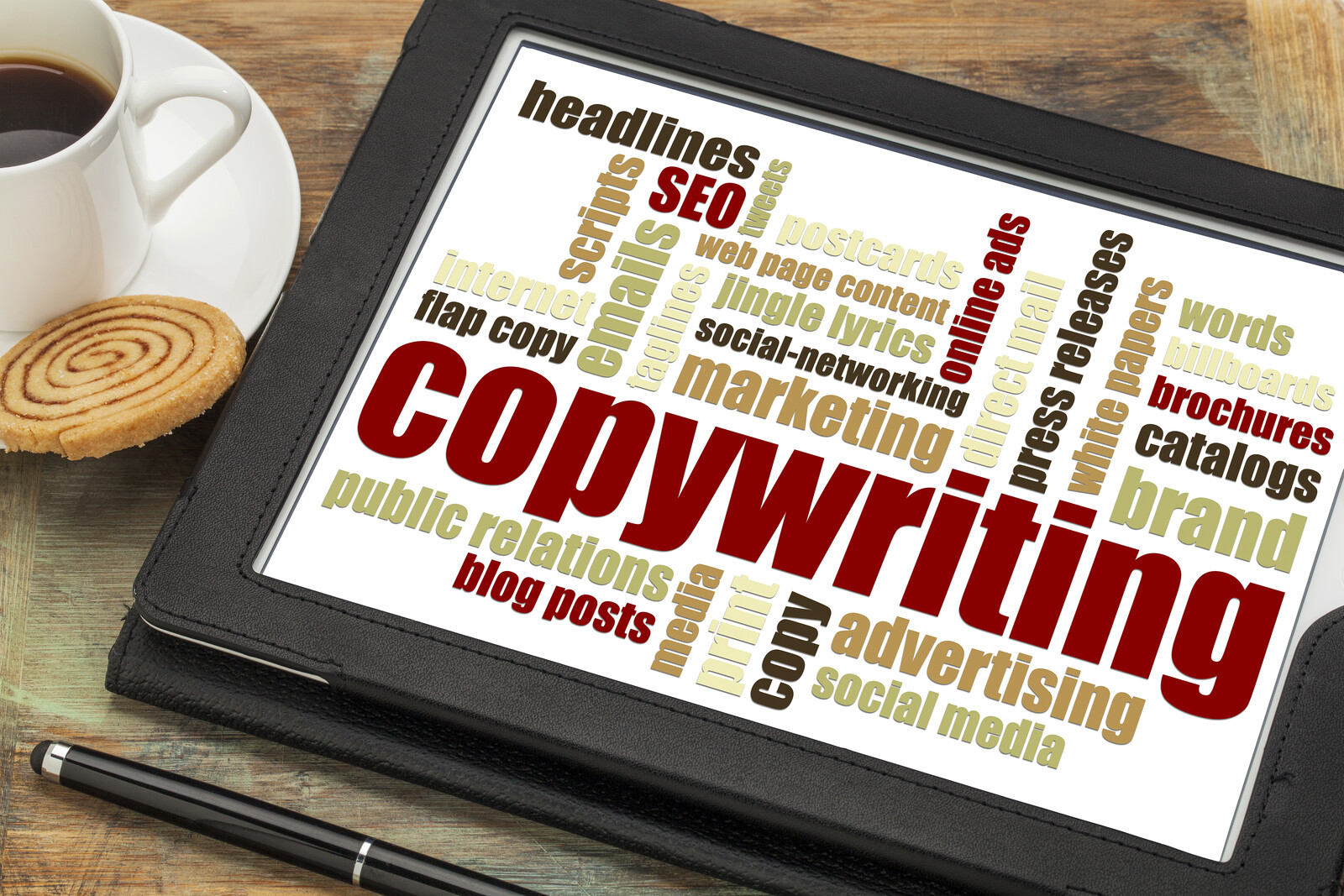
Copywriting is a skill that has remained resolutely relevant, regardless of how marketing continues to evolve.
This is for one very simple reason: words work. Get them right, and they will inspire people to buy into your brand, and buy stuff from your company. It’s as simple as that.
Get them wrong, and they can do significant damage to your brand. Again, a simple concept.
With this in mind, here are some traditional, basic copywriting rules that still apply - even in the digital marketplace.
The unique selling proposition isn’t a gimmick - it’s vital if you’re to beat the competition.
Any copy that is written for your website needs to keep the USP firmly in mind at all times.
There’s plenty of reasons you see lots of bullet points, lists and short sentences on web pages:
Writing words is a design process in itself - never forget that.
The 80/20 rule absolutely applies when it comes to headline writing.
Spend 80% of your writing time on the headline - even if you only start with a working title - and you’ll end up with something that’s riveting, relevant, and capable of drawing people in.

Conversational copywriting is something that has developed over the years, but it has never been more important.
This is the process of writing as though you’re having a conversation with one person. Write as you would talk to them; it’ll result in copy that’s very readable, engaging and which talks with the audience rather than at them.
When someone reads about your products or services, they might be thinking that:
Dispel each of those thoughts within your copy.
Appealing to your audience’s emotions is a classic copywriting technique and one of the most effective techniques.
You might want to make people feel happy, joyous, sad, or as though they’re missing out. Whichever emotion you need to leverage, use emotive words alongside poignant images for maximum impact.
Which of these statements sounds more appealing, alive and clear?
“This kitchen aid will save you time.”
or
“This kitchen aid will help you make the best chocolate cake your family will ever eat!”
There’s no comparison, is there?
Customer testimonials aren’t a new marketing tactic; they’ve been used for decades to demonstrate that it isn’t just the product supplier who thinks their stuff is great.
Referred to more commonly these days as ‘social proof’, customer quotes or full-blown testimonials make brilliant, persuasive copy.
You might find them on social media, online reviews, or by proactively seeking them out from existing happy customers but wherever you get your examples of social proof from, use them judiciously in your website copy.
You can’t skimp on copywriting. Implement these basic copywriting techniques, and your brand image will linger positively in the minds of existing and potential customers for years to come.
